Research & Innovation Award: The 2025 nominees

2025 French-Australian Excellence Awards – Choose your finalists: Voting open (1-19 October)

End 2025 Research & Innovation Award – The nominees
  • Coralie (Pineau) ANDRADE
    X Close
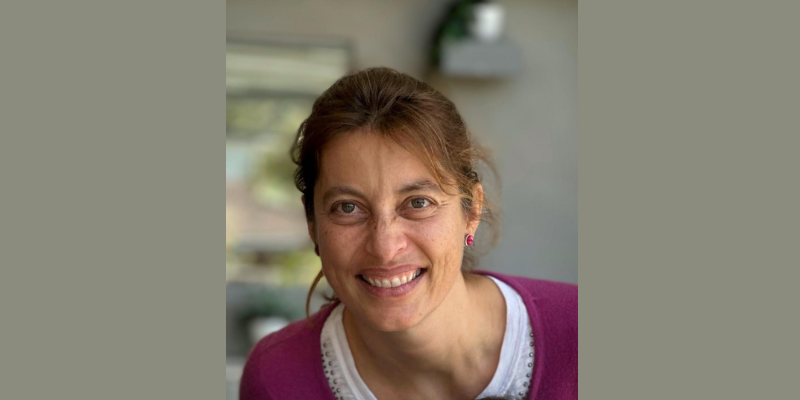
    Coralie (Pineau) ANDRADE
    Dr. Coralie Andrade is a Medical Doctor and Global Clinical Development Leader with over 15 years of experience advancing vaccines and innovative therapeutics across international settings. Fluent in four languages, she combines medical expertise, cross-cultural leadership, and strategic vision to accelerate the delivery of transformative health solutions worldwide. Her career began as a General Practitioner in Paris before transitioning to international clinical research. At Servier, she directed global cardiovascular and rheumatology programs, culminating in the EMA approval of Carivalan® for chronic heart failure and stable angina. After eight years in Madrid, she relocated to Sydney in 2016, where she now serves as Senior Clinical Scientist at CSL Seqirus. In this role, she leads the development of next-generation influenza and COVID-19 vaccines. She has shaped multiple Phase 1 to Phase 3 pivotal programs, including the efficacy study of Fluad® enrolling tens of thousands of participants and the first-in-human trial of CSL406, a self-amplifying mRNA H5N1 pandemic vaccine. Her expertise ensures scientific rigor and enables the timely advancement of vaccines critical to global public health preparedness. Dr. Andrade has co-authored peer-reviewed publications on clinical trial harmonisation and vaccine development, including recent contributions to Vaccine (2025) and Expert Review of Vaccines (2023). Beyond her professional achievements, she is deeply committed to community engagement. She served as a Board Member for the French-Speaking Association of the North Shore in Sydney and coordinated the French Market at Killarney Heights Public School, fostering French-Australian cultural exchange and strengthening local community ties.
    Read More...
    You Already Participated!
  • Frédéric Hollande
    X Close
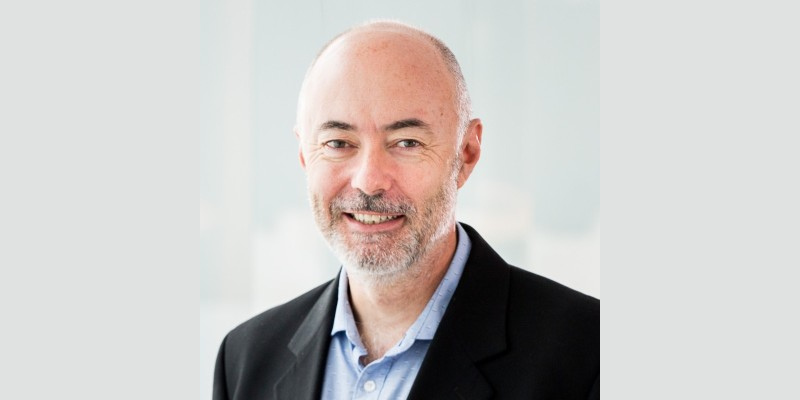
    Frédéric Hollande
    Frédéric Hollande is a French-born professor of clinical pathology at the University of Melbourne, where he also leads the Plasticity, Heterogeneity and Tumour Microenvironment (PHANTOM) laboratory at the University of Melbourne Centre for Cancer Research (UMCCR). His work spans basic, translational, and precision oncology, and he has built strong research ties between France and Australia. He earned his PhD in 1994 from the University of Montpellier in France and began his early career with post-doctoral work at the Ludwig Institute for Cancer Research and at the University of Melbourne. From 1996 to 2011 he held significant positions in France, including as a CNRS Research Fellow studying mechanisms of colon cancer, and he cofounded a biotech startup developing monoclonal antibodies. In 2012, Professor Hollande relocated to Australia to take up a position as Associate Professor at the University of Melbourne, later becoming head of the Department of Clinical Pathology, Deputy Head of Melbourne Medical School, and now Interim Head. His research group has made major contributions to understanding tumour heterogeneity, cancer stem cell biology, and treatment resistance in solid tumours, especially colorectal and pancreatic cancers. Beyond the laboratory, he is highly engaged in teaching and mentoring, supervising doctoral candidates, developing curricula, and promoting bilateral French-Australian academic programs. He plays a key role in the Melbourne-CNRS Network, a partnership that supports joint PhD students supervised across Australia and France. Through his research, leadership and French heritage, Professor Hollande exemplifies the kind of Franco-Australian collaboration that pushes both science and education forward, building a bridge between two research cultures while driving meaningful advances in cancer medicine.
    Read More...
    You Already Participated!
  • Renaud Joannes-Boyau
    X Close
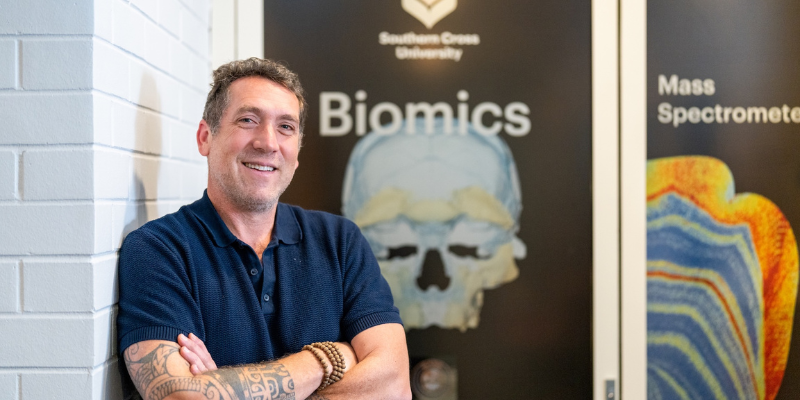
    Renaud Joannes-Boyau
    Renaud Joannes-Boyau is a French-Australian (Fraussie) geochemist and archaeologist whose work has transformed our understanding of early human history. Based at Southern Cross University, he leads the Geoarchaeology and Archaeometry Research Group (GARG) and is internationally recognised for developing advanced geochemical techniques to directly date fossil remains and archaeological materials. Renaud’s pioneering research has played a key role in major scientific discoveries, including the dating of the first of our kind, the oldest Homo sapiens discovered at Jebel Irhoud in Morocco, and the earliest known rock art in Sulawesi, Indonesia. His methods, combining Uranium-series, Electron Spin Resonance, and laser ablation technologies, are now used worldwide to investigate human evolution, symbolic behaviour, and the deep-time interactions between humans and their environments. With over $20 million in research funding and dozens of high-impact publications in Nature, Science, and PNAS, Renaud collaborates across disciplines and continents, from Southeast Asia and Africa to Europe and Australia. His work not only advances science but also contributes to ethical best practices in fossil analysis and cultural heritage, particularly in collaboration with Indigenous communities. Beyond the lab, Renaud is a passionate science communicator. He hosts the weekly ABC radio segment “Science with Frenchie”, has authored a science children’s book, and regularly appears in international newspapers, radio shows and documentaries, including on ARTE, BBC, Netflix, and PBS. His ability to bridge rigorous research and public engagement reflects his belief that science should be accessible, ethical, and inspiring. As a French-born scientist living and working in Australia, Renaud brings a uniquely global perspective to his work. He actively fosters French-Australian scientific exchange and mentorship, supporting early-career researchers and postgraduate students across diverse fields. Currently serving as Acting Deputy Vice Chancellor (Research) at Southern Cross University, Renaud continues to advocate for research excellence, innovation, and integrity at every level. His journey, from Bordeaux to Bundjalung Country, is grounded in a deep respect for the past, a love of discovery, and a commitment to advancing knowledge across borders.
    Read More...
    You Already Participated!
  • David Lo Jocono
    X Close
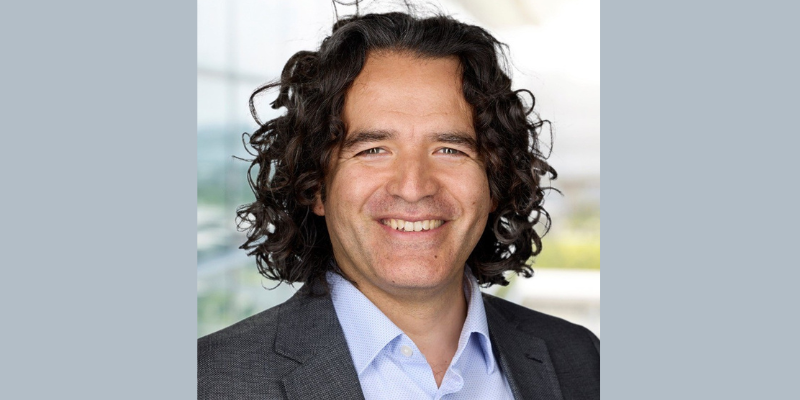
    David Lo Jocono
    David Lo Jacono is a Senior Technical Director in Data Science at Jacobs, where he leads the Advanced Data & Analytics portfolio across Australia and New Zealand. With more than two decades of experience spanning academic research and large-scale industrial transformation, David is internationally recognised for his contributions to data-driven decision-making, AI strategy, and the integration of modelling and simulation into critical infrastructure, energy, and transport domains. David’s career is defined by his ability to bridge scientific rigour with real-world impact. He is a leader in applying machine learning, dynamic systems modelling, and sensor integration to solve complex challenges, transforming raw data into actionable intelligence. His work has directly enabled national-scale decarbonisation programmes, predictive maintenance frameworks, and advanced structural monitoring solutions. At Jacobs, he plays a pivotal role in helping clients harness data and digital technologies to unlock new levels of operational performance and resilience. With over 60 peer-reviewed publications, David’s research credentials reflect a deep expertise in fluid-structure interactions, nonlinear systems, and multiphysics simulation. He is widely respected for his collaborative approach to leading high-performing technical teams and is often engaged in thought leadership across government, academia, and industry. His portfolio spans machine learning for water quality forecasting, AI-enhanced infrastructure management, and cloud-native platforms for transport modelling. Notably, David has fostered strong academic partnerships between French and Australian institutions, resulting in joint publications and advancing global scientific collaboration. These ties underline his ability to operate across borders, disciplines, and sectors, bringing an international perspective to local innovation challenges.
    Read More...
    You Already Participated!
  • Quentin Meyer
    X Close
    Quentin Meyer
    Dr Quentin Meyer is a French Lecturer at the University of New South Wales (UNSW Sydney), specialising in green hydrogen and hydrogen fuel cells. After graduating from Grenoble-INP and earning his PhD at University College London—where he received a Research Excellence Award—he moved to Australia in 2018 to support the energy transition. He develops more affordable fuel cells by replacing expensive platinum-group metals with earth-abundant catalysts. He also created a 3D imaging tool powered by artificial intelligence for real-time diagnostics of fuel cells. This work was published in Nature Communications, one of the world’s most prestigious scientific journals, and gained significant media attention, with over 100 press mentions in both scientific and mainstream outlets. Dr Meyer currently leads a government-funded project developing high-temperature hydrogen fuel cells for aviation, with drone prototypes expected by 2025. Over the past two years, his research has secured more than $5 million in competitive funding. Deeply engaged with the French-Australian community, he mentors young researchers, collaborates regularly with French institutions such as the CNRS, participates in events like the AFRAN forum, and was recently interviewed in The Age. He also delivers talks to Mission Hydrogen and Engineers Australia, attracting over 2,000 online attendees. Overall, his work exemplifies French scientific excellence on the global stage.
    Read More...
    You Already Participated!
  • Dr. Jean-Philippe Ral
    X Close
    Dr. Jean-Philippe Ral
    Dr Jean-Philippe Ral is a French-Australian scientist helping to shape the future of food. Based in Canberra, he leads Australia’s national Future Protein Mission at CSIRO—an ambitious program working to develop healthier, more sustainable, and high-quality protein options for Australians and people around the world. Originally from France, Jean-Philippe completed his PhD in plant genetics and glycobiology at the University of Lille before moving to Australia to continue his scientific journey. Over the past 20 years, he has worked on making staple crops like wheat and barley not only more productive for farmers but also better for human health. His research has contributed to innovations like BARLEYmax™, a barley variety with proven benefits for gut health, and high-amylose wheat, which helps reduce blood sugar spikes—important for managing diabetes and improving diets globally. Jean-Philippe has always believed that science is stronger when people work together across borders. He has played a key role in connecting French and Australian scientists, helping to build lasting partnerships between CSIRO and France’s national research institute INRAE. Together, they’ve supported joint research projects and student exchanges, including with the University of Lille and INRAE Nantes, encouraging young researchers to experience science in both countries. Beyond the lab, Jean-Philippe actively contributes to the French–Australian scientific community through AFRAN (Australian-French Association for Research and Innovation) and events hosted by the French Embassy. He’s also passionate about inspiring the next generation, participating in science outreach activities—such as bilingual science programs at Telopea Park School in Canberra—to connect with students and share the excitement of discovery. With a career dedicated to making food better for people and the planet, and a deep commitment to international cooperation, Dr Jean-Philippe Ral is proud to represent the spirit of French–Australian excellence in research and innovation.
    Read More...
    You Already Participated!
  • Thomas Roccia
    X Close
    Thomas Roccia
    Thomas Roccia is a French cybersecurity researcher and entrepreneur based in Australia, known internationally for his work at the intersection of cybersecurity and artificial intelligence. With over fifteen years of experience, he currently serves as a Senior Threat Researcher at Microsoft and drives independent initiatives, creating open-source tools, methods, and training programs used worldwide. He is the creator of the NOVA framework (www>NovaHunting.ai), one of the first open-source projects designed to protect AI systems against adversarial use. His work has shaped how security teams detect and defend against emerging AI threats. His contributions extend to community projects, public research, and accessible technical communication. Thomas is also a trusted voice in the industry, frequently featured in international media and podcasts to share insights on AI security and threat intelligence. He authored the best-selling book Visual Threat Intelligence, which won the Indie Bronze Award in science and technology. The book introduced a visual approach to teaching cyber threat intelligence and is used globally by professionals and students. He regularly speaks and teach at leading events, including Black Hat, DEFCON, and multiple international security conferences. He has built a strong presence in the community, with more than 70,000 followers across social media, where he shares insights, research, and guidance. Known for leading developments in AI Security and Threat Intelligence, Thomas continues to strengthen French and Australian representation in these fields. In Australia, he actively supports the local cybersecurity ecosystem through talks and involvement with BSides Melbourne, BSides Sydney, BSides Gold Coast, Hack Sydney, the Malware Reverse Engineering Conference in Melbourne, and CyberCon, one of the country’s leading cybersecurity event. His French expertise also remains closely tied to Australia’s innovation ecosystem.
    Read More...
    You Already Participated!
  • Sarah Vallée
    X Close
    Sarah Vallée
    Sarah Vallee is a connector between the French and Australian AI ecosystems. She is the AI Community Lead of the Australian-French Association for Research and Innovation (AFRAN), a role she has been assuming since she arrived on Australian shores early 2024. Sarah is a specialist in AI policy, governance and international collaboration, with a deep commitment to ensuring that AI serves the public good. At a time when AI is reshaping economies, democracies, and daily life, she works to ensure AI is developed, regulated and deployed in ways that benefit our societies and economies. While not an academic by title, Sarah operates at the intersection of research, policy and industry, a space where real-world innovation happens. She has spent years bridging the gap between academia and decision-makers, having worked in university-based think tanks to amplify researchers’ influence on AI policy design. Beyond policy, Sarah is a passionate educator and community builder, dedicated to making AI accessible and understandable to all. She has organized several public events to boost AI literacy and foster cross-cultural dialogue, with Alliance Française Canberra, Philo Bistro Sydney, and French Alumni networks in Australia – on this front, she co-founded last year the Australian chapter of Sciences Po Alumni. She also delivered guest lectures at the Australian National University and the University of Sydney, shaping the next generation of AI leaders. Sarah’s work is all about impact. By strengthening collaboration between two of the world’s most innovative AI ecosystems, she contributes to France and Australia leading AI advancements ethically and responsibly. Her nomination for this award reflects her contribution to international frameworks for AI, proving that leadership in AI isn’t just confined to labs: it thrives at the intersection of ideas, policy, and people. [This bio has been written with the help of French LLM “Le Chat” by Mistral AI.]
    Read More...
    You Already Participated!
  • Mat Vanderklift
    X Close
    Mat Vanderklift
    Mat is a Senior Principal Research Scientist within CSIRO Environment and director of the Indian Ocean Rim Association Blue Carbon Hub (IORA BCH). For over 25 years he has conducted ecological research, especially ecosystem responses to the way that humans use them. He has worked throughout the Indian Ocean, as well as in the Mediterranean and Caribbean Seas, on science dedicated to translating science into effective management and policy frameworks. Mat aims to use science to solve real-world problems and works with managers to identify how his research can be useful. He has published over 100 articles on coastal science and the relevance of international governance and finance frameworks to operationalise climate mitigation and adaptation. These include publications in policy-oriented scientific journals, linking blue carbon science with policy decisions and economic viability. Through science he raises awareness of the ecological and societal value of coastal ecosystems, contributing to a more sustainable blue economy. Beyond his direct research, Mat is a passionate advocate for supporting the next generation of scientific and practitioner leaders. He is particularly enthusiastic about providing training and mentoring opportunities for young scientists and practitioners, and runs the IORA BCH Early Career Ocean Professionals program, which has 20 alumni from around the Indian Ocean. He has also provided other training and internship opportunities for young and emerging scientists from France, Indonesia, Sri Lanka, Madagascar, Mauritius and Seychelles. Mat is also co-lead of the AFRAN Indian Ocean Hub, which seeks to expand Franco-Australian connections through the Indian Ocean. He has deep connections with France, and has worked with colleagues at the Université de Nice and Université de La Réunion as well as Kelonia and le Centre d’Études et de Découverte des Tortues Marines (CEDTM). His work with colleagues at the Université de Nice led to several publications on Mediterranean ecology. He has supervised two PhD by French students in Australia, been an external member of several PhD defence in France, and hosted 9 interns from France.
    Read More...
    You Already Participated!

Choose Your Country

  • Afghanistan (+93)
  • Aland Islands (+358)
  • Albania (+355)
  • Algeria (+213)
  • American Samoa (+1684)
  • Andorra (+376)
  • Angola (+244)
  • Anguilla (+1264)
  • Antarctica (+672)
  • Antigua and Barbuda (+1268)
  • Argentina (+54)
  • Armenia (+374)
  • Aruba (+297)
  • Australia (+61)
  • Austria (+43)
  • Azerbaijan (+994)
  • Bahamas (+1242)
  • Bahrain (+973)
  • Bangladesh (+880)
  • Barbados (+1246)
  • Belarus (+375)
  • Belgium (+32)
  • Belize (+501)
  • Benin (+229)
  • Bermuda (+1441)
  • Bhutan (+975)
  • Bolivia (+591)
  • Bonaire, Sint Eustatius and Saba (+599)
  • Bosnia and Herzegovina (+387)
  • Botswana (+267)
  • Bouvet Island (+55)
  • Brazil (+55)
  • British Indian Ocean Territory (+246)
  • Brunei Darussalam (+673)
  • Bulgaria (+359)
  • Burkina Faso (+226)
  • Burundi (+257)
  • Cambodia (+855)
  • Cameroon (+237)
  • Canada (+1)
  • Cape Verde (+238)
  • Cayman Islands (+1345)
  • Central African Republic (+236)
  • Chad (+235)
  • Chile (+56)
  • China (+86)
  • Christmas Island (+61)
  • Cocos (Keeling) Islands (+672)
  • Colombia (+57)
  • Comoros (+269)
  • Congo (+242)
  • Congo, Democratic Republic of the Congo (+242)
  • Cook Islands (+682)
  • Costa Rica (+506)
  • Cote D'Ivoire (+225)
  • Croatia (+385)
  • Cuba (+53)
  • Curacao (+599)
  • Cyprus (+357)
  • Czech Republic (+420)
  • Denmark (+45)
  • Djibouti (+253)
  • Dominica (+1767)
  • Dominican Republic (+1809)
  • Ecuador (+593)
  • Egypt (+20)
  • El Salvador (+503)
  • Equatorial Guinea (+240)
  • Eritrea (+291)
  • Estonia (+372)
  • Ethiopia (+251)
  • Falkland Islands (Malvinas) (+500)
  • Faroe Islands (+298)
  • Fiji (+679)
  • Finland (+358)
  • France (+33)
  • French Guiana (+594)
  • French Polynesia (+689)
  • French Southern Territories (+262)
  • Gabon (+241)
  • Gambia (+220)
  • Georgia (+995)
  • Germany (+49)
  • Ghana (+233)
  • Gibraltar (+350)
  • Greece (+30)
  • Greenland (+299)
  • Grenada (+1473)
  • Guadeloupe (+590)
  • Guam (+1671)
  • Guatemala (+502)
  • Guernsey (+44)
  • Guinea (+224)
  • Guinea-Bissau (+245)
  • Guyana (+592)
  • Haiti (+509)
  • Heard Island and Mcdonald Islands (+0)
  • Holy See (Vatican City State) (+39)
  • Honduras (+504)
  • Hong Kong (+852)
  • Hungary (+36)
  • Iceland (+354)
  • India (+91)
  • Indonesia (+62)
  • Iran, Islamic Republic of (+98)
  • Iraq (+964)
  • Ireland (+353)
  • Isle of Man (+44)
  • Israel (+972)
  • Italy (+39)
  • Jamaica (+1876)
  • Japan (+81)
  • Jersey (+44)
  • Jordan (+962)
  • Kazakhstan (+7)
  • Kenya (+254)
  • Kiribati (+686)
  • Korea, Democratic People's Republic of (+850)
  • Korea, Republic of (+82)
  • Kosovo (+381)
  • Kuwait (+965)
  • Kyrgyzstan (+996)
  • Lao People's Democratic Republic (+856)
  • Latvia (+371)
  • Lebanon (+961)
  • Lesotho (+266)
  • Liberia (+231)
  • Libyan Arab Jamahiriya (+218)
  • Liechtenstein (+423)
  • Lithuania (+370)
  • Luxembourg (+352)
  • Macao (+853)
  • Macedonia, the Former Yugoslav Republic of (+389)
  • Madagascar (+261)
  • Malawi (+265)
  • Malaysia (+60)
  • Maldives (+960)
  • Mali (+223)
  • Malta (+356)
  • Marshall Islands (+692)
  • Martinique (+596)
  • Mauritania (+222)
  • Mauritius (+230)
  • Mayotte (+262)
  • Mexico (+52)
  • Micronesia, Federated States of (+691)
  • Moldova, Republic of (+373)
  • Monaco (+377)
  • Mongolia (+976)
  • Montenegro (+382)
  • Montserrat (+1664)
  • Morocco (+212)
  • Mozambique (+258)
  • Myanmar (+95)
  • Namibia (+264)
  • Nauru (+674)
  • Nepal (+977)
  • Netherlands (+31)
  • Netherlands Antilles (+599)
  • New Caledonia (+687)
  • New Zealand (+64)
  • Nicaragua (+505)
  • Niger (+227)
  • Nigeria (+234)
  • Niue (+683)
  • Norfolk Island (+672)
  • Northern Mariana Islands (+1670)
  • Norway (+47)
  • Oman (+968)
  • Pakistan (+92)
  • Palau (+680)
  • Palestinian Territory, Occupied (+970)
  • Panama (+507)
  • Papua New Guinea (+675)
  • Paraguay (+595)
  • Peru (+51)
  • Philippines (+63)
  • Pitcairn (+64)
  • Poland (+48)
  • Portugal (+351)
  • Puerto Rico (+1787)
  • Qatar (+974)
  • Reunion (+262)
  • Romania (+40)
  • Russian Federation (+70)
  • Rwanda (+250)
  • Saint Barthelemy (+590)
  • Saint Helena (+290)
  • Saint Kitts and Nevis (+1869)
  • Saint Lucia (+1758)
  • Saint Martin (+590)
  • Saint Pierre and Miquelon (+508)
  • Saint Vincent and the Grenadines (+1784)
  • Samoa (+684)
  • San Marino (+378)
  • Sao Tome and Principe (+239)
  • Saudi Arabia (+966)
  • Senegal (+221)
  • Serbia (+381)
  • Serbia and Montenegro (+381)
  • Seychelles (+248)
  • Sierra Leone (+232)
  • Singapore (+65)
  • Sint Maarten (+1)
  • Slovakia (+421)
  • Slovenia (+386)
  • Solomon Islands (+677)
  • Somalia (+252)
  • South Africa (+27)
  • South Georgia and the South Sandwich Islands (+500)
  • South Sudan (+211)
  • Spain (+34)
  • Sri Lanka (+94)
  • Sudan (+249)
  • Suriname (+597)
  • Svalbard and Jan Mayen (+47)
  • Swaziland (+268)
  • Sweden (+46)
  • Switzerland (+41)
  • Syrian Arab Republic (+963)
  • Taiwan, Province of China (+886)
  • Tajikistan (+992)
  • Tanzania, United Republic of (+255)
  • Thailand (+66)
  • Timor-Leste (+670)
  • Togo (+228)
  • Tokelau (+690)
  • Tonga (+676)
  • Trinidad and Tobago (+1868)
  • Tunisia (+216)
  • Turkey (+90)
  • Turkmenistan (+7370)
  • Turks and Caicos Islands (+1649)
  • Tuvalu (+688)
  • Uganda (+256)
  • Ukraine (+380)
  • United Arab Emirates (+971)
  • United Kingdom (+44)
  • United States (+1)
  • United States Minor Outlying Islands (+1)
  • Uruguay (+598)
  • Uzbekistan (+998)
  • Vanuatu (+678)
  • Venezuela (+58)
  • Viet Nam (+84)
  • Virgin Islands, British (+1284)
  • Virgin Islands, U.s. (+1340)
  • Wallis and Futuna (+681)
  • Western Sahara (+212)
  • Yemen (+967)
  • Zambia (+260)
  • Zimbabwe (+263)
Êtes-vous sûr de vouloir déverrouiller ce poste ?
Déverrouiller à gauche : 0
Êtes-vous sûr de vouloir annuler l'abonnement ?