


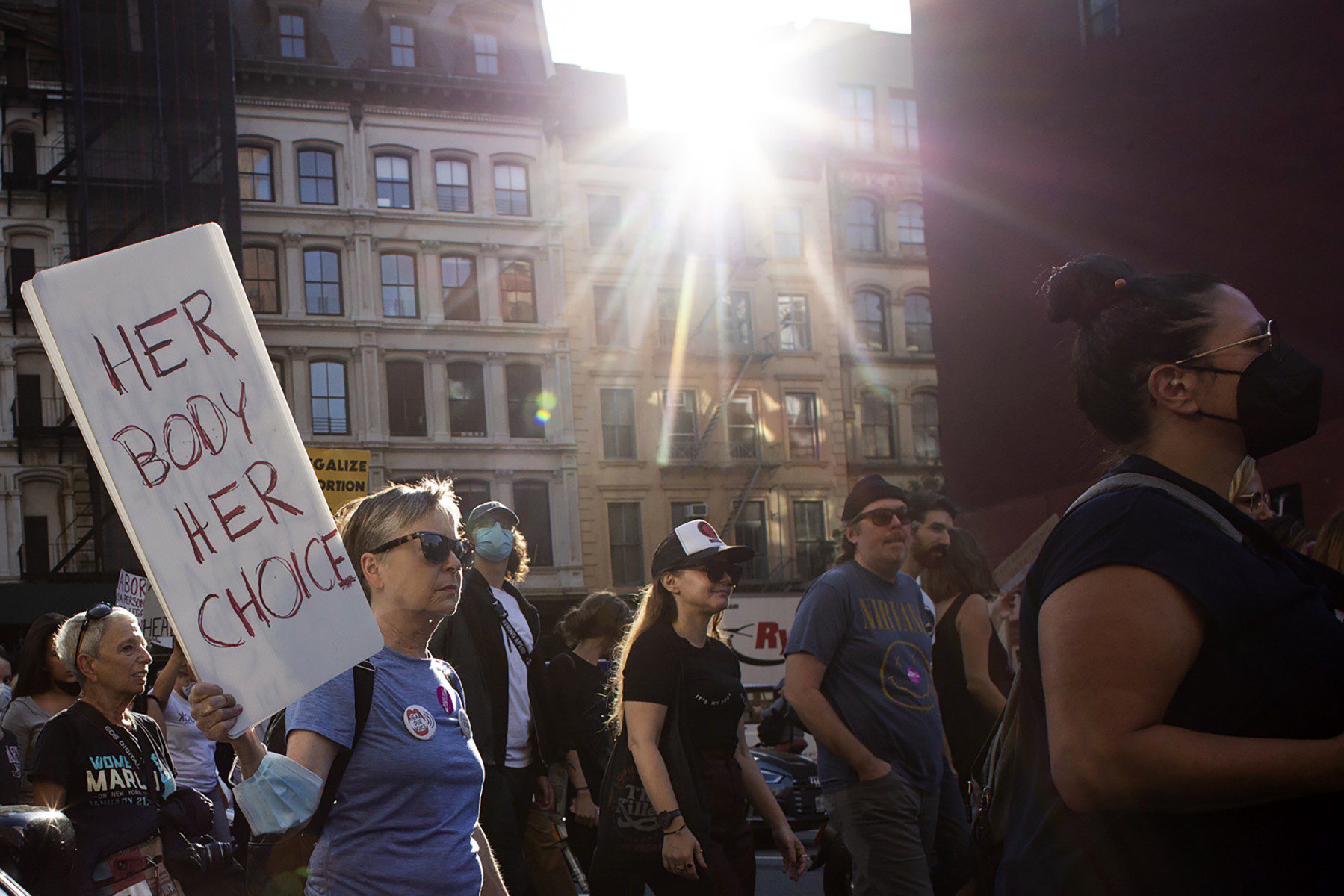
Abortion laws vary wildly around the world, with a minority of countries having outright bans.
Here is a snapshot of the global situation:
– Total ban –
Predominantly Catholic Malta is the only European Union country to ban abortion totally, imposing jail terms of between 18 months and three years if the law is broken.
Abortion is also banned in the micro-states of Andorra and the Vatican, which are in Europe but not members of the EU.
Globally there are other total bans in Congo-Brazzaville, the Democratic Republic of Congo, Djibouti, the Dominican Republic, Egypt, Guinea-Bissau, Haiti, Honduras, Laos, Madagascar, Nicaragua, the Philippines, Palau, Senegal and Suriname.
In El Salvador, the courts have handed lengthy jail sentences, some of up to 30 years, to women who have lost their babies, including through abortion. Women who have had miscarriages have also been prosecuted.
On Wednesday El Salvador’s Congress voted to uphold the country’s complete abortion ban, even on terminations in exceptional circumstances.
– Restricted –
Many countries allow abortions in cases where the mother’s life is deemed to be in danger.
A partial list includes Afghanistan, Bangladesh, Guatemala, Iraq, Ivory Coast, Lebanon, Libya, Myanmar, Paraguay, South Sudan, Sri Lanka, Sudan, Syria, Uganda, Venezuela, the West Bank/Gaza and Yemen.
In Brazil the law only allows terminations in cases of rape, risk to the life of the mother or if the foetus is missing part or all of the brain.
In 2017, Chile ended a strict near three-decade-long ban when then president Michelle Bachelet decriminalised abortion in certain cases.
– Change –
Women from Europe, North America and Oceania benefit from the most liberal legislation, in some cases acquired only recently.
Under Benin’s new law, women can end a pregnancy within the first three months if it is likely to “aggravate or cause material, educational, professional or moral distress” for the woman or unborn child.
Tiny San Marino, which sits on a mountainside in the centre of Italy, voted in September to allow abortion in a historic referendum that brought the predominantly Catholic nation in line with most of Europe.
Argentina legalised abortion in December 2020 up to 14 weeks of pregnancy. Previously, terminations had only been allowed in two instances — rape, and danger to the mother’s life.
In 2019 South Korea’s constitutional court ordered the country’s decades-old abortion ban to be lifted in a landmark ruling.
New Zealand only decriminalised abortion in March 2020. Up to then it was punishable with a 14-year prison term.
In Australia, the state of Queensland legalised abortion in 2018, abolishing an 1899 British colonial era law. Only New South Wales, the country’s most populous state, continues to ban abortion.
In Ireland abortion has only been legal since 2018 following a historic referendum which did away with a constitutional ban on abortion that was one of the strictest in the world.
It was also legalised the following year in Northern Ireland, the only part of the United Kingdom where it was prohibited.
– Battlegrounds –
In the United States abortion was legalised nationwide in 1973 but it has remained a highly contentious issue.
In September a Texas law banned abortion after six weeks, once a foetal heartbeat can be detected.
The Supreme Court — which after Donald Trump has a conservative majority — refused to block the ruling to the fury of the White House.
Also in September the Mexican Supreme Court ruled that a state law defining life as beginning at conception and equating abortion with murder was unconstitutional.
After Mexico City decriminalised abortion in the first 12 weeks in 2007, at least 10 of the country’s 32 states passed laws protecting life from the moment of conception.
It has become a political battleground also in Poland where in October 2020 its highest court ruled that abortions due to birth defects were unconstitutional.
Abortion laws vary wildly around the world, with a minority of countries having outright bans.
Here is a snapshot of the global situation:
– Total ban –
Predominantly Catholic Malta is the only European Union country to ban abortion totally, imposing jail terms of between 18 months and three years if the law is broken.
Abortion is also banned in the micro-states of Andorra and the Vatican, which are in Europe but not members of the EU.
Globally there are other total bans in Congo-Brazzaville, the Democratic Republic of Congo, Djibouti, the Dominican Republic, Egypt, Guinea-Bissau, Haiti, Honduras, Laos, Madagascar, Nicaragua, the Philippines, Palau, Senegal and Suriname.
In El Salvador, the courts have handed lengthy jail sentences, some of up to 30 years, to women who have lost their babies, including through abortion. Women who have had miscarriages have also been prosecuted.
On Wednesday El Salvador’s Congress voted to uphold the country’s complete abortion ban, even on terminations in exceptional circumstances.
– Restricted –
Many countries allow abortions in cases where the mother’s life is deemed to be in danger.
A partial list includes Afghanistan, Bangladesh, Guatemala, Iraq, Ivory Coast, Lebanon, Libya, Myanmar, Paraguay, South Sudan, Sri Lanka, Sudan, Syria, Uganda, Venezuela, the West Bank/Gaza and Yemen.
In Brazil the law only allows terminations in cases of rape, risk to the life of the mother or if the foetus is missing part or all of the brain.
In 2017, Chile ended a strict near three-decade-long ban when then president Michelle Bachelet decriminalised abortion in certain cases.
– Change –
Women from Europe, North America and Oceania benefit from the most liberal legislation, in some cases acquired only recently.
Under Benin’s new law, women can end a pregnancy within the first three months if it is likely to “aggravate or cause material, educational, professional or moral distress” for the woman or unborn child.
Tiny San Marino, which sits on a mountainside in the centre of Italy, voted in September to allow abortion in a historic referendum that brought the predominantly Catholic nation in line with most of Europe.
Argentina legalised abortion in December 2020 up to 14 weeks of pregnancy. Previously, terminations had only been allowed in two instances — rape, and danger to the mother’s life.
In 2019 South Korea’s constitutional court ordered the country’s decades-old abortion ban to be lifted in a landmark ruling.
New Zealand only decriminalised abortion in March 2020. Up to then it was punishable with a 14-year prison term.
In Australia, the state of Queensland legalised abortion in 2018, abolishing an 1899 British colonial era law. Only New South Wales, the country’s most populous state, continues to ban abortion.
In Ireland abortion has only been legal since 2018 following a historic referendum which did away with a constitutional ban on abortion that was one of the strictest in the world.
It was also legalised the following year in Northern Ireland, the only part of the United Kingdom where it was prohibited.
– Battlegrounds –
In the United States abortion was legalised nationwide in 1973 but it has remained a highly contentious issue.
In September a Texas law banned abortion after six weeks, once a foetal heartbeat can be detected.
The Supreme Court — which after Donald Trump has a conservative majority — refused to block the ruling to the fury of the White House.
Also in September the Mexican Supreme Court ruled that a state law defining life as beginning at conception and equating abortion with murder was unconstitutional.
After Mexico City decriminalised abortion in the first 12 weeks in 2007, at least 10 of the country’s 32 states passed laws protecting life from the moment of conception.
It has become a political battleground also in Poland where in October 2020 its highest court ruled that abortions due to birth defects were unconstitutional.
Abortion laws vary wildly around the world, with a minority of countries having outright bans.
Here is a snapshot of the global situation:
– Total ban –
Predominantly Catholic Malta is the only European Union country to ban abortion totally, imposing jail terms of between 18 months and three years if the law is broken.
Abortion is also banned in the micro-states of Andorra and the Vatican, which are in Europe but not members of the EU.
Globally there are other total bans in Congo-Brazzaville, the Democratic Republic of Congo, Djibouti, the Dominican Republic, Egypt, Guinea-Bissau, Haiti, Honduras, Laos, Madagascar, Nicaragua, the Philippines, Palau, Senegal and Suriname.
In El Salvador, the courts have handed lengthy jail sentences, some of up to 30 years, to women who have lost their babies, including through abortion. Women who have had miscarriages have also been prosecuted.
On Wednesday El Salvador’s Congress voted to uphold the country’s complete abortion ban, even on terminations in exceptional circumstances.
– Restricted –
Many countries allow abortions in cases where the mother’s life is deemed to be in danger.
A partial list includes Afghanistan, Bangladesh, Guatemala, Iraq, Ivory Coast, Lebanon, Libya, Myanmar, Paraguay, South Sudan, Sri Lanka, Sudan, Syria, Uganda, Venezuela, the West Bank/Gaza and Yemen.
In Brazil the law only allows terminations in cases of rape, risk to the life of the mother or if the foetus is missing part or all of the brain.
In 2017, Chile ended a strict near three-decade-long ban when then president Michelle Bachelet decriminalised abortion in certain cases.
– Change –
Women from Europe, North America and Oceania benefit from the most liberal legislation, in some cases acquired only recently.
Under Benin’s new law, women can end a pregnancy within the first three months if it is likely to “aggravate or cause material, educational, professional or moral distress” for the woman or unborn child.
Tiny San Marino, which sits on a mountainside in the centre of Italy, voted in September to allow abortion in a historic referendum that brought the predominantly Catholic nation in line with most of Europe.
Argentina legalised abortion in December 2020 up to 14 weeks of pregnancy. Previously, terminations had only been allowed in two instances — rape, and danger to the mother’s life.
In 2019 South Korea’s constitutional court ordered the country’s decades-old abortion ban to be lifted in a landmark ruling.
New Zealand only decriminalised abortion in March 2020. Up to then it was punishable with a 14-year prison term.
In Australia, the state of Queensland legalised abortion in 2018, abolishing an 1899 British colonial era law. Only New South Wales, the country’s most populous state, continues to ban abortion.
In Ireland abortion has only been legal since 2018 following a historic referendum which did away with a constitutional ban on abortion that was one of the strictest in the world.
It was also legalised the following year in Northern Ireland, the only part of the United Kingdom where it was prohibited.
– Battlegrounds –
In the United States abortion was legalised nationwide in 1973 but it has remained a highly contentious issue.
In September a Texas law banned abortion after six weeks, once a foetal heartbeat can be detected.
The Supreme Court — which after Donald Trump has a conservative majority — refused to block the ruling to the fury of the White House.
Also in September the Mexican Supreme Court ruled that a state law defining life as beginning at conception and equating abortion with murder was unconstitutional.
After Mexico City decriminalised abortion in the first 12 weeks in 2007, at least 10 of the country’s 32 states passed laws protecting life from the moment of conception.
It has become a political battleground also in Poland where in October 2020 its highest court ruled that abortions due to birth defects were unconstitutional.
Abortion laws vary wildly around the world, with a minority of countries having outright bans.
Here is a snapshot of the global situation:
– Total ban –
Predominantly Catholic Malta is the only European Union country to ban abortion totally, imposing jail terms of between 18 months and three years if the law is broken.
Abortion is also banned in the micro-states of Andorra and the Vatican, which are in Europe but not members of the EU.
Globally there are other total bans in Congo-Brazzaville, the Democratic Republic of Congo, Djibouti, the Dominican Republic, Egypt, Guinea-Bissau, Haiti, Honduras, Laos, Madagascar, Nicaragua, the Philippines, Palau, Senegal and Suriname.
In El Salvador, the courts have handed lengthy jail sentences, some of up to 30 years, to women who have lost their babies, including through abortion. Women who have had miscarriages have also been prosecuted.
On Wednesday El Salvador’s Congress voted to uphold the country’s complete abortion ban, even on terminations in exceptional circumstances.
– Restricted –
Many countries allow abortions in cases where the mother’s life is deemed to be in danger.
A partial list includes Afghanistan, Bangladesh, Guatemala, Iraq, Ivory Coast, Lebanon, Libya, Myanmar, Paraguay, South Sudan, Sri Lanka, Sudan, Syria, Uganda, Venezuela, the West Bank/Gaza and Yemen.
In Brazil the law only allows terminations in cases of rape, risk to the life of the mother or if the foetus is missing part or all of the brain.
In 2017, Chile ended a strict near three-decade-long ban when then president Michelle Bachelet decriminalised abortion in certain cases.
– Change –
Women from Europe, North America and Oceania benefit from the most liberal legislation, in some cases acquired only recently.
Under Benin’s new law, women can end a pregnancy within the first three months if it is likely to “aggravate or cause material, educational, professional or moral distress” for the woman or unborn child.
Tiny San Marino, which sits on a mountainside in the centre of Italy, voted in September to allow abortion in a historic referendum that brought the predominantly Catholic nation in line with most of Europe.
Argentina legalised abortion in December 2020 up to 14 weeks of pregnancy. Previously, terminations had only been allowed in two instances — rape, and danger to the mother’s life.
In 2019 South Korea’s constitutional court ordered the country’s decades-old abortion ban to be lifted in a landmark ruling.
New Zealand only decriminalised abortion in March 2020. Up to then it was punishable with a 14-year prison term.
In Australia, the state of Queensland legalised abortion in 2018, abolishing an 1899 British colonial era law. Only New South Wales, the country’s most populous state, continues to ban abortion.
In Ireland abortion has only been legal since 2018 following a historic referendum which did away with a constitutional ban on abortion that was one of the strictest in the world.
It was also legalised the following year in Northern Ireland, the only part of the United Kingdom where it was prohibited.
– Battlegrounds –
In the United States abortion was legalised nationwide in 1973 but it has remained a highly contentious issue.
In September a Texas law banned abortion after six weeks, once a foetal heartbeat can be detected.
The Supreme Court — which after Donald Trump has a conservative majority — refused to block the ruling to the fury of the White House.
Also in September the Mexican Supreme Court ruled that a state law defining life as beginning at conception and equating abortion with murder was unconstitutional.
After Mexico City decriminalised abortion in the first 12 weeks in 2007, at least 10 of the country’s 32 states passed laws protecting life from the moment of conception.
It has become a political battleground also in Poland where in October 2020 its highest court ruled that abortions due to birth defects were unconstitutional.


















Discussion about this post