


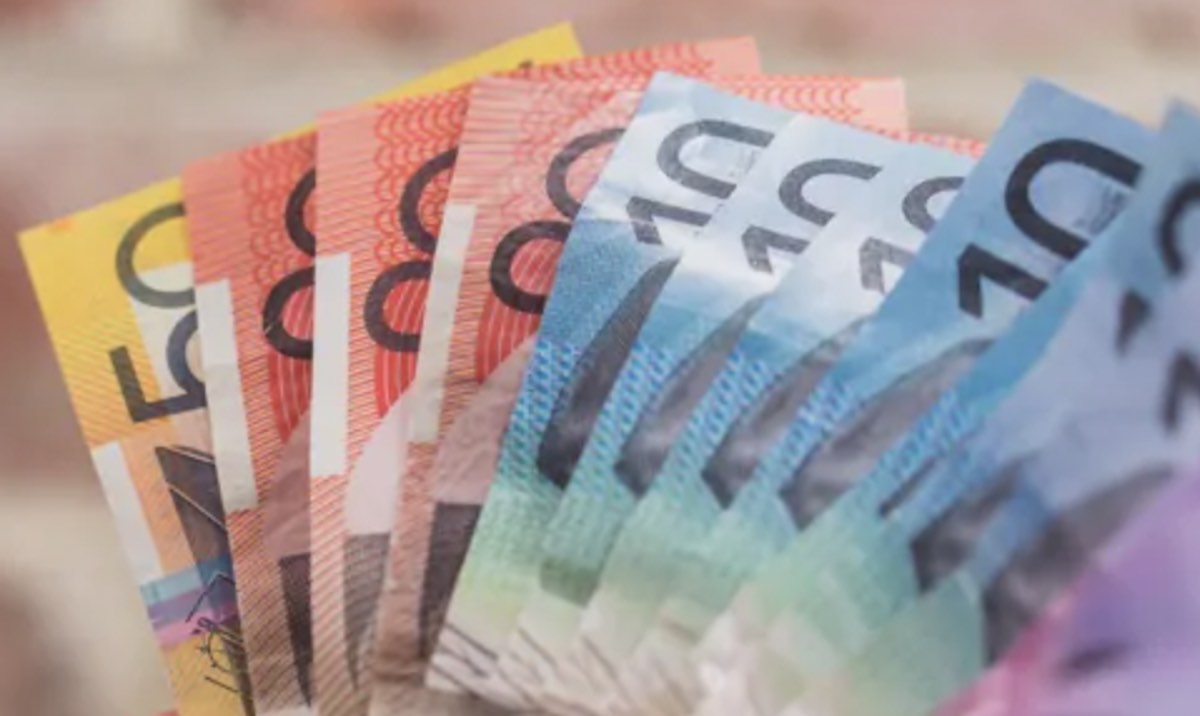
Australia finds itself in an unenviable position on the global economic stage. With underlying inflation, or trimmed mean, reaching 3.6 per cent year-on-year in May 2026, its highest level since September 2024, the country is recording one of the highest structural inflation rates among advanced economies, surpassed by only a handful of nations within the G20.
The headline Consumer Price Index did ease slightly to 4.0 per cent in May, down from 4.2 per cent in April, but remains well above the RBA’s target band of 2 to 3 per cent. The main household expenditure categories continue to show significant increases: housing is up 6.5 per cent year-on-year, food and non-alcoholic beverages up 3.3 per cent, and transport up 3.3 per cent.
Several economists are pointing the finger at government spending as an aggravating factor. Across three Labor budgets, the Albanese government has increased spending by $347 billion, the equivalent of $33,000 per Australian household. Public spending as a share of GDP has reached its highest level in almost 40 years, outside the pandemic period. RBA Governor Michele Bullock has herself described Australian inflation as “increasingly homegrown”, suggesting that domestic factors, including government spending, are now playing a more significant role than external shocks.
Investment manager Vanguard, in its analysis of the Australian market, notes that the country entered the current energy shock with inflation already above target, a key difference from other developed markets. After reaching a trough in mid-2025, core inflation reaccelerated as growth outpaced economic potential and capacity constraints persisted, exacerbated by weak productivity.
Faced with this persistent inflationary pressure, the RBA has already delivered three consecutive rate hikes in 2026, in February, March and May, before pausing in June. The next inflation data release is expected on 24 July, and will be a key determinant for the central bank’s decision at its August meeting. For Australian households, the message remains clear: a return of inflation to the RBA’s target band is unlikely before 2027 at the earliest.















Discussion about this post